

Operating local AI in the company: From model testing to reliable service
By Kevin Kröger, Geschäftsführer, Software und Plattformbetrieb
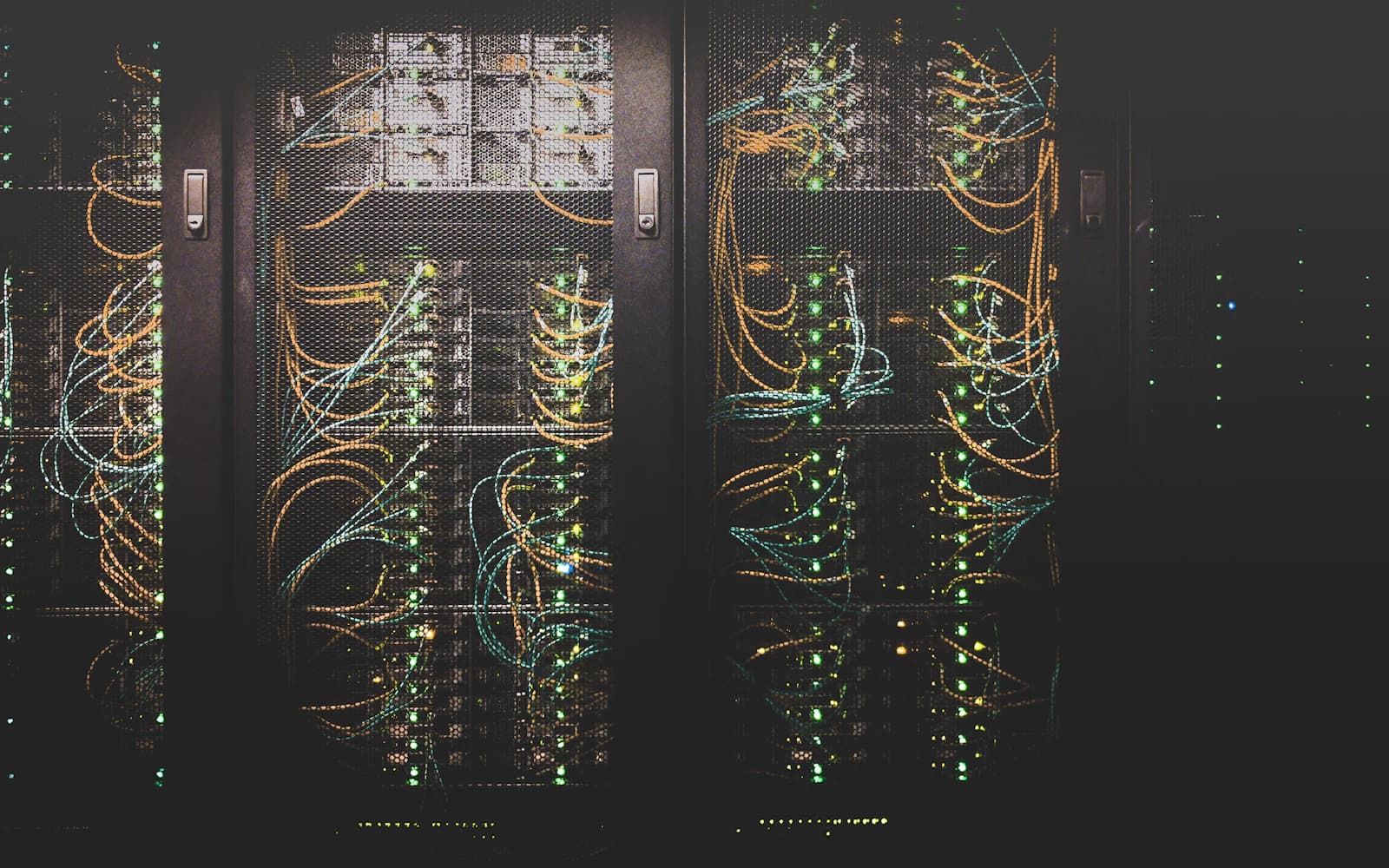
Local AI makes sense when data paths, response times, adaptability or predictable use justify its own operation. However, a model on a computer is not yet a productive service. What is needed is a clear use case, representative quality measurement, roles and authorizations, controlled model and data versions, monitoring, capacity planning and a practiced restart.
What problem should the local operation solve?
Don't start with the hardware, but with a specific task. Describe who provides what input, what result is expected, what errors are acceptable, and how often the process occurs. Local operations can limit data paths and enable consistent response time, but create responsibility for models, infrastructure, security, quality and ongoing updates. Without a measurable advantage, technical sovereignty quickly becomes just additional operating expense.
What data does the model and knowledge store reach?
Create a visible data flow for each user journey. This includes input, system prompt, retrieved documents, model context, output, logs, error stores, and backups. Determine which data classes may be processed, how roles are adopted from the source system and how deletion or blocking affects the search index and log. Local infrastructure does not replace these rules, it simply makes their technical implementation easier to control.
How is model quality checked before operation?
Build a test set of real, approved specialist cases. For each case, expected key messages, unacceptable answers, source requirements and a human decision are recorded. Compare model variants, quantization, context length and prompt structure against the same sentence. Not only hits are measured, but also dangerous omissions, made-up statements, response time and costs per transaction. A change to the model, prompt, or knowledge base triggers a recheck.
How is hardware dimensioned to be resilient?
The required performance depends on model size, quantization, context, parallel requests, desired response time and memory requirements. A short load test with representative inputs is more meaningful than procurement based on theoretical peak values. Plan reserves for model changes, maintenance and load peaks without permanently paying for rare maximum values. Power, cooling, parts routing, drivers and available operational knowledge all factor into the same decision as GPU memory and computing power.
What needs to be monitored and logged?
Technical monitoring includes utilization, memory, queues, response time, errors, model process and dependent databases. Technical monitoring looks at rejected requests, source coverage, quality deviations and manual corrections. Logs are limited to what is necessary, protected and provided with retention periods. An operations dashboard connects technical signals with the affected user journey so that the team doesn't just find out about a deterioration through complaints.
What does a safe restart look like?
Don’t just back up documents or databases. For a complete restart, model artifacts, checksums, configuration, prompts, authorization logic, search index, vector database, application and dependencies are required. Determine sequence, responsible parties, recovery goals and permitted backup operation. The exercise only ends when a representative user path returns a verified answer. Only then does a local model become an operable service.
From the answer to implementation
Related service
View the scope, delivery model and responsible contacts.
Open →Related product
See a practical product path connected to this topic.
Open →Working checklist
Prepare the next decision with a structured checklist.
Open →All specialist articles
Continue with reviewed answers from the same practice areas.
Open →Sources and basis
The central statements in this article were reviewed against the following primary sources.
Frequently asked questions
- Is local AI automatically data protection compliant?
- No. Purpose, legal basis, data minimization, roles, protocols, deletion, model origin and specific use must continue to be examined. Local operation can better limit access and data paths, but does not replace legal and organizational assessment.
- Does local AI always need its own GPU?
- No. Small models, infrequent use or pre-computed tasks may make sense on other hardware. The decision should come from measurements on real use cases.
- Can a local model operate without internet?
- Technically, isolated operation is possible. Updates, model procurement, vulnerability treatment and controlled data transfer then require a particularly clear process.